
What Does “Health for Life” Really Mean?
Health for life means building habits that keep you functional, mobile, and disease-free for decades, not just looking good for a summer. It’s less about intensity and more about what you can sustain for 30, 40, 50 years.
I used to think this phrase was just a marketing line slapped on protein tubs and gym flyers. Then I watched my uncle, who spent his 30s doing extreme diets and his 60s barely able to climb stairs, and it clicked. Health for life isn’t a phase you go through. It’s what you’re still doing at 70.
That’s the whole idea behind the phrase, and it’s why so many people search it without knowing exactly what they’re looking for.

Table of Contents
- What Does “Health for Life” Really Mean?
- Why Short-Term Health Plans Almost Always Fail
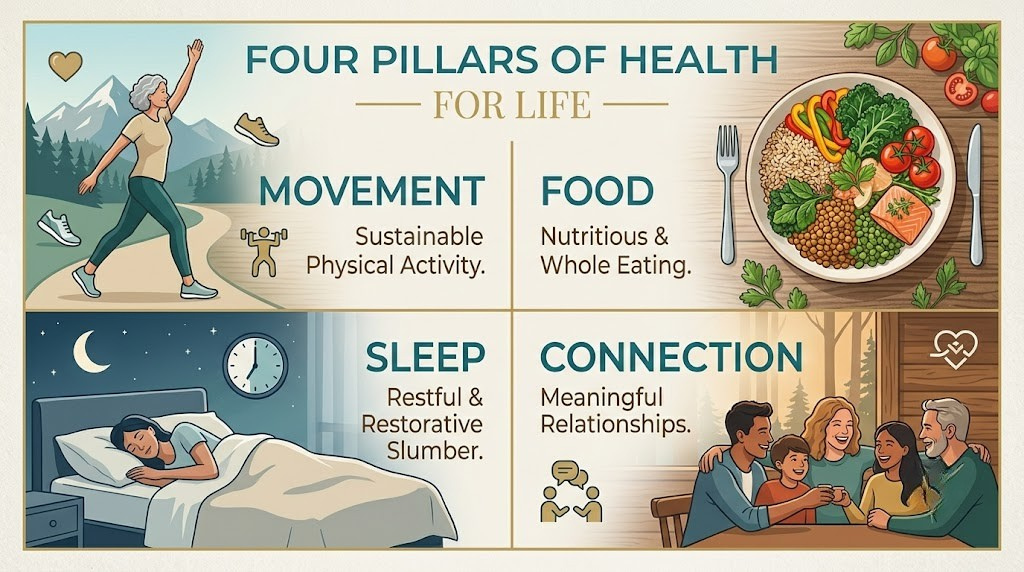
- The Four Pillars That Actually Hold Up Over Decades
- My Own Wake-Up Call (And What I Got Wrong for Years)
- What Doctors Actually Recommend for Long-Term Health
- Common Mistakes People Make Chasing “Health for Life”
- Building a Routine That Survives Bad Weeks
- When to Get Professional Help Instead of Winging It
- FAQs
- Final Thoughts
Why Short-Term Health Plans Almost Always Fail
Here’s something nobody tells you at the start of a New Year’s resolution. The plan usually isn’t the problem. The timeline is.
Most health advice online is built for six weeks, not sixty years. Twelve-week transformations. 30-day challenges. Detox cleanses. They work, sometimes, for the exact window they promise. Then life happens and there’s no plan for what comes after.
I did three different 30-day fitness challenges in my late 20s. Lost weight every time. Gained it back every time, plus a little extra. The problem wasn’t willpower. None of those programs taught me anything I could keep doing after day 30. They just asked me to survive a month.
Health for life flips that. It’s slower to start and far less exciting to bring up at a barbecue, but it’s still running when you’re not paying attention to it anymore.
The Four Pillars That Actually Hold Up Over Decades
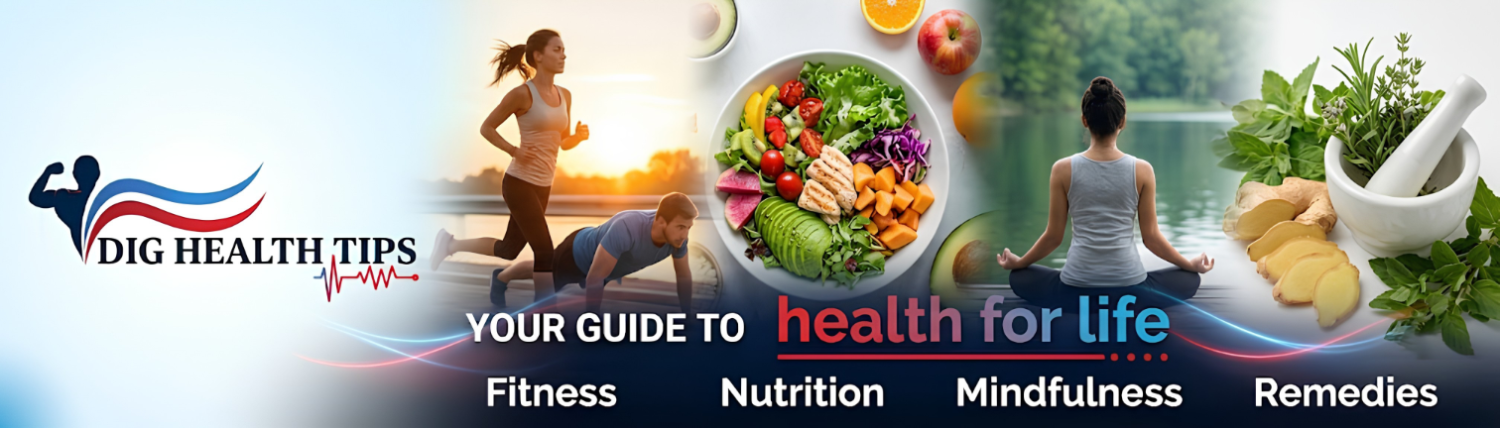
Strip away the supplements and trendy diets and long-term health comes down to four things. The CDC’s guidelines on physical activity back most of this up, and it lines up with what I’ve watched play out in real people’s lives too.
Movement, not exercise. There’s a real difference. Exercise is a scheduled event. Movement is walking to get coffee, taking the stairs, gardening, chasing your kids around the yard. The people I know who stayed mobile into their 70s aren’t the ones who crushed CrossFit in their 40s. They’re the ones who never stopped moving through ordinary life.
Food that doesn’t require a spreadsheet. Not a diet. A pattern. Mostly whole foods, protein at most meals, vegetables you actually like and enough flexibility that a birthday cake doesn’t feel like a moral failure. The rigid diets I tried broke the same way every time. One bad week turned into total abandonment because there was no room for anything less than perfect.
Sleep, which almost nobody prioritizes until it’s a crisis. I ignored this for years. Ran on six hours a night and called it hustle. My mood, memory, and workouts all quietly took the hit, and I didn’t connect the dots until a doctor asked about my sleep during an unrelated checkup.
Connection and stress management. This one gets skipped in almost every health article out there, which is a mistake. Chronic stress and isolation wreck long-term health as badly as poor food choices do. Loneliness has been linked to health outcomes on par with smoking, according to research the U.S. Surgeon General’s office has published on the topic.
My Own Wake-Up Call (And What I Got Wrong for Years)
For most of my 20s, healthy meant looking a certain way. I chased visible abs, tracked every gram of macros, and treated rest days like failures. It worked, technically. I looked fit in photos.
But I was exhausted constantly, snapped at people over nothing, and got hurt twice from overtraining without enough recovery. Nobody tells you that chasing appearance and chasing genuine long-term health aren’t always the same project. Sometimes they even work against each other.
The turning point wasn’t dramatic. It was a routine blood panel that came back with borderline high cortisol markers and a doctor gently asking if I was sleeping enough. I wasn’t. That one conversation did more for my health than three years of intense training had.
What changed after that wasn’t more intensity. It was consistency. Fewer max-effort gym sessions, more walks. Less obsessive tracking, more just eating reasonably. It felt like doing less. It actually did more.
What Doctors Actually Recommend for Long-Term Health
Talk to any primary care doctor about health for life and the advice is almost boringly consistent. The CDC recommends adults get at least 150 minutes of moderate aerobic activity a week, along with muscle-strengthening activity twice a week. Not two hours a day. Not a six-day split. Two and a half hours spread across a week, plus some strength work.
Preventive screenings matter more than most people admit too. Annual checkups, blood pressure checks, cholesterol panels, and age-appropriate cancer screenings catch problems while they’re still manageable. A friend of mine skipped physicals for nearly a decade because he felt fine. A routine blood test eventually caught prediabetes early enough to reverse through diet alone. A few more years of skipping and that conversation would’ve gone very differently.
The unglamorous truth is that most long-term health outcomes come down to boring, repeatable habits and not skipping the doctor, not some rare biohack.
Common Mistakes People Make Chasing “Health for Life”
Treating it like a sprint. The biggest one. People go all-in for three weeks, burn out, and quit entirely instead of easing off the intensity and continuing.
Ignoring mental health as part of the equation. Physical health and mental health aren’t separate boxes. Chronic anxiety or untreated depression will undercut sleep, motivation, and physical recovery no matter how clean your diet is.
Following advice that isn’t built for their life stage. What works for a 25-year-old training for a marathon isn’t what a 55-year-old managing joint pain needs. A lot of generic content ignores this completely.
Skipping preventive care because nothing hurts yet. As mentioned above, many conditions that quietly derail long-term health don’t come with early symptoms. That’s exactly why screenings exist.
Assuming supplements can replace fundamentals. Supplements can help fill specific gaps but they don’t compensate for bad sleep, chronic stress, or a diet that’s mostly processed food. I’ve spent money on more supplements than I’d like to admit trying to shortcut habits I hadn’t actually built yet.
Building a Routine That Survives Bad Weeks
Here’s the part most health content skips entirely. What happens when life gets messy.
A routine built for a perfect week falls apart the moment travel, illness, a rough month at work, or a new baby shows up. Real health for life needs a floor, not just a ceiling. Mine looks like this: even on the worst week, I still walk most days and still eat some protein and vegetables, even if the rest of the day is chaos. That floor keeps a bad week from turning into three bad months.
Build flexibility in from day one. A plan that only works when everything else in life is calm isn’t really a long-term plan. It’s a plan for good weeks only, and life doesn’t hand those out consistently.
When to Get Professional Help Instead of Winging It
Self-directed habits work for a lot of general wellness, but there’s a point where a doctor, registered dietitian, physical therapist, or mental health professional does something a blog post can’t. They personalize it to your actual body and history.
See a professional if you’re dealing with unexplained fatigue, persistent pain, sudden weight changes, or mood symptoms that don’t lift after a few weeks. It’s also worth a real conversation with a doctor before starting anything intense if you have an existing condition, are pregnant, or are over 50 and haven’t exercised in a while. This isn’t about fear-mongering. Generic advice just has limits, and a professional can catch things a general wellness routine can’t.
FAQs
What does “health for life” mean?
It refers to building sustainable habits around movement, nutrition, sleep, and stress management that support long-term physical and mental health, rather than short-term results.
Is health for life the same as being skinny or fit?
No. Long-term health includes mobility, mental health, sleep quality, and disease prevention. Someone can look fit and still have poor long-term health markers, and vice versa.
How much exercise do I actually need for long-term health?
The CDC recommends at least 150 minutes of moderate activity per week, plus muscle-strengthening activity twice a week. That’s roughly 20 to 30 minutes a day.
Why do most health plans fail long-term?
Most are built for short timeframes like 30-day challenges or 12-week programs and don’t account for real disruptions like stress, travel, or illness, so they collapse once things get messy.
Does mental health affect long-term physical health?
Yes. Chronic stress and untreated mental health conditions affect sleep, immune function, and recovery, making them just as important as diet and exercise for long-term health.
Final Thoughts
Health for life was never about the extreme version of anything. It’s the boring stuff repeated for decades: moving most days, eating reasonably, sleeping enough, staying connected to people, and not skipping the doctor when nothing hurts yet. None of it photographs well for social media. All of it is what holds up when you’re 70 and still climbing stairs without thinking twice about it.
Ready to build something that actually lasts? Start with one pillar this week, not all four. Small and consistent beats intense and temporary, every time.