
Fatigue ICD 10 is the exact phrase I typed into Google after my after-visit summary showed up with “R53.83, Other Fatigue” printed right under my name. I’d gone in exhausted for weeks, expecting some kind of answer, and instead got a code I didn’t understand next to a diagnosis that sounded almost too simple.
If you’re here for the same reason, staring at a chart note or an insurance statement with a random code on it, this is the plain-language version of what that means, why your doctor picked it, and what it says (and doesn’t say) about what’s actually going on with you.
What Fatigue ICD 10 Actually Means
R53.83 is the medical billing code doctors use when they diagnose “other fatigue,” meaning tiredness or low energy that doesn’t have a confirmed cause yet. It’s not a disease itself. It’s a placeholder that tells your insurance company and your chart why you were seen, while the actual cause is still being figured out.
Think of it less like a diagnosis and more like a bookmark. Your doctor documented that you’re fatigued, ruled out anything obvious in that visit, and used this code so the visit could be billed correctly. It doesn’t mean nothing is wrong. It usually means the workup isn’t finished yet.
Why Your Doctor Used This Code
Doctors use this code constantly. Fatigue is one of the most common reasons people show up for a primary care visit, and a lot of the time, the first appointment isn’t enough to pin down why.
If your bloodwork hasn’t come back yet, or your doctor wants to see if the fatigue improves with a few lifestyle changes before ordering more tests, this code fills that gap. It’s a completely normal part of how medicine works. Nobody skipped a step by using it.
That said, if a specific cause was already found during your visit, like low iron or a thyroid issue, that condition should be the main thing on your chart, not this general fatigue code. If you’re seeing “other fatigue” listed even after tests came back with a clear answer, it’s worth asking your provider’s office to update your record.
Common Causes Behind a Fatigue Diagnosis
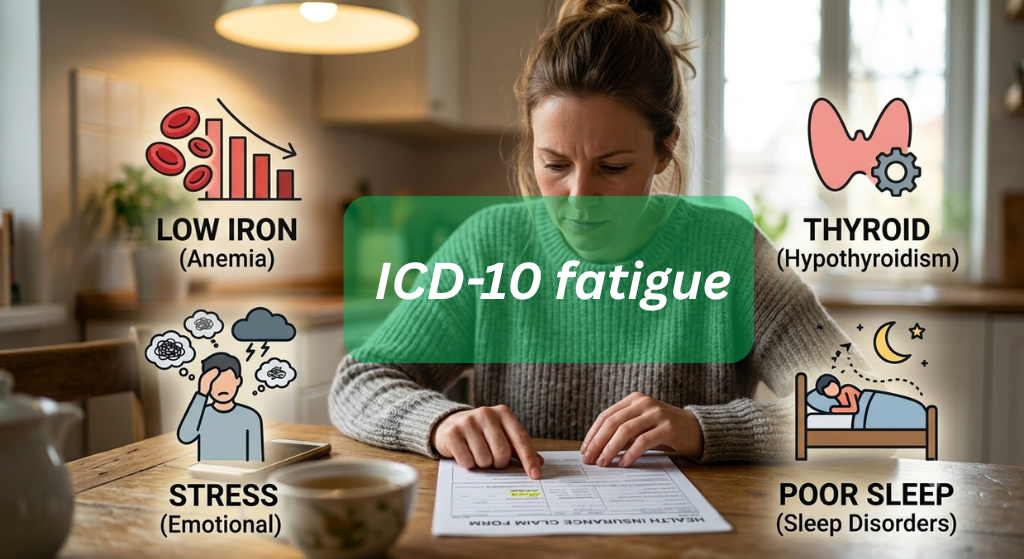
This code gets used for a wide range of situations, and the cause is usually one of these:
- Iron deficiency or anemia, one of the most common fixable causes
- Thyroid problems, especially an underactive thyroid
- Poor sleep quality, even if you’re technically getting enough hours
- Stress or burnout, which drains energy in a very real, physical way
- Depression or anxiety, which often shows up as exhaustion before it shows up as mood changes
- Medication side effects, particularly blood pressure meds, antihistamines, or certain antidepressants
- Undiagnosed sleep apnea, more common than people realize
- Chronic conditions like diabetes or heart disease running in the background
I spent about two months assuming my fatigue was just “adulting,” until bloodwork showed my iron was low enough to explain almost everything I’d been feeling. It’s a good reminder that “just tired” is worth actually checking, not just pushing through.
When Fatigue Is Just Tired, and When It’s Something More
A little tiredness after a rough week is normal. What tends to push fatigue into “get it checked” territory is when it sticks around and doesn’t respond to rest.
Talk to a doctor if your fatigue:
- Has lasted more than two to three weeks without improving
- Doesn’t get better with a full night’s sleep
- Comes with unexplained weight change, fever, or swelling
- Makes it hard to get through normal daily tasks
- Comes with chest pain, shortness of breath, or dizziness (this one needs prompt attention, not a wait-and-see approach)
If your fatigue has already stretched past six weeks with no clear cause, your provider may use a different code, R53.82, for chronic fatigue, which just means it’s officially been logged as a longer-running issue worth deeper investigation.
What Usually Happens Next
After a fatigue diagnosis like this, the typical next steps are:
- Bloodwork, checking iron levels, thyroid function, blood sugar, and basic metabolic markers
- A closer look at sleep, sometimes including questions about snoring or a sleep study referral
- A medication review, to rule out something you’re already taking as the culprit
- A follow-up visit, to reassess once results are back
If everything comes back normal and the fatigue still hasn’t budged, that’s usually when a doctor starts looking at things like chronic fatigue syndrome, autoimmune conditions, or mental health factors more closely.

Simple Things That Actually Help
While you’re waiting on answers, a few things tend to make a real difference, even before a cause is confirmed:
- Consistent sleep and wake times, even on weekends
- Getting outside earlier in the day, natural light genuinely helps regulate energy
- Cutting back on late caffeine, easy to underestimate how long it lingers
- Short walks instead of long naps, naps can sometimes make nighttime sleep worse
- Actually eating regular meals, skipped meals are a sneaky fatigue trigger
None of these replace an actual diagnosis if something medical is going on. They just tend to help while you’re in the waiting-for-answers stage, which honestly can take a few weeks.
FAQs
Is R53.83 a serious diagnosis?
Not on its own. It simply means fatigue was documented without a confirmed cause yet. It’s common and usually not a red flag by itself.
Does this code mean my doctor doesn’t know what’s wrong with me?
Not exactly. It usually means testing is still in progress, or the fatigue is expected to improve with simple changes before more testing is needed.
Should I be worried if I see this code on my bill?
Generally no. It’s one of the most frequently used codes in primary care. It becomes worth a follow-up call only if the fatigue continues without any next steps being scheduled.
What’s the difference between this and chronic fatigue syndrome?
Chronic fatigue syndrome (ME/CFS) is a specific, more serious diagnosis with its own code and its own criteria. R53.83 is the general, no-cause-identified-yet code most people get first.
How long should I wait before following up if I still feel exhausted?
If fatigue hasn’t improved within two to three weeks, or gets worse, it’s reasonable to call your provider’s office rather than waiting for your next scheduled visit.
Final Thoughts
Seeing a code like R53.83 on your paperwork can feel alarming for a second, but it’s really just medical shorthand for “you’re fatigued, and we’re still figuring out why.” Most of the time, it clears up once bloodwork comes back or a specific cause gets identified. The main thing is not letting weeks turn into months without a follow-up if it’s not improving.
Disclaimer: This article is for general informational purposes only and isn’t a substitute for professional medical advice, diagnosis, or treatment. Always talk to a qualified healthcare provider about persistent fatigue or any health concerns.