
Legacy community health isn’t just a phrase, it’s a philosophy. It’s the idea that where you get your care and how that care is delivered shape not just your health today but the health of your family and community for generations to come. Whether you’re familiar with Legacy Community Health as an organization or you’re simply searching for sustainable, whole-person care in your area, this guide breaks down what this approach to health really means and how to make it work for you.
What Is Legacy Community Health and What Does “Health for Life” Really Mean?
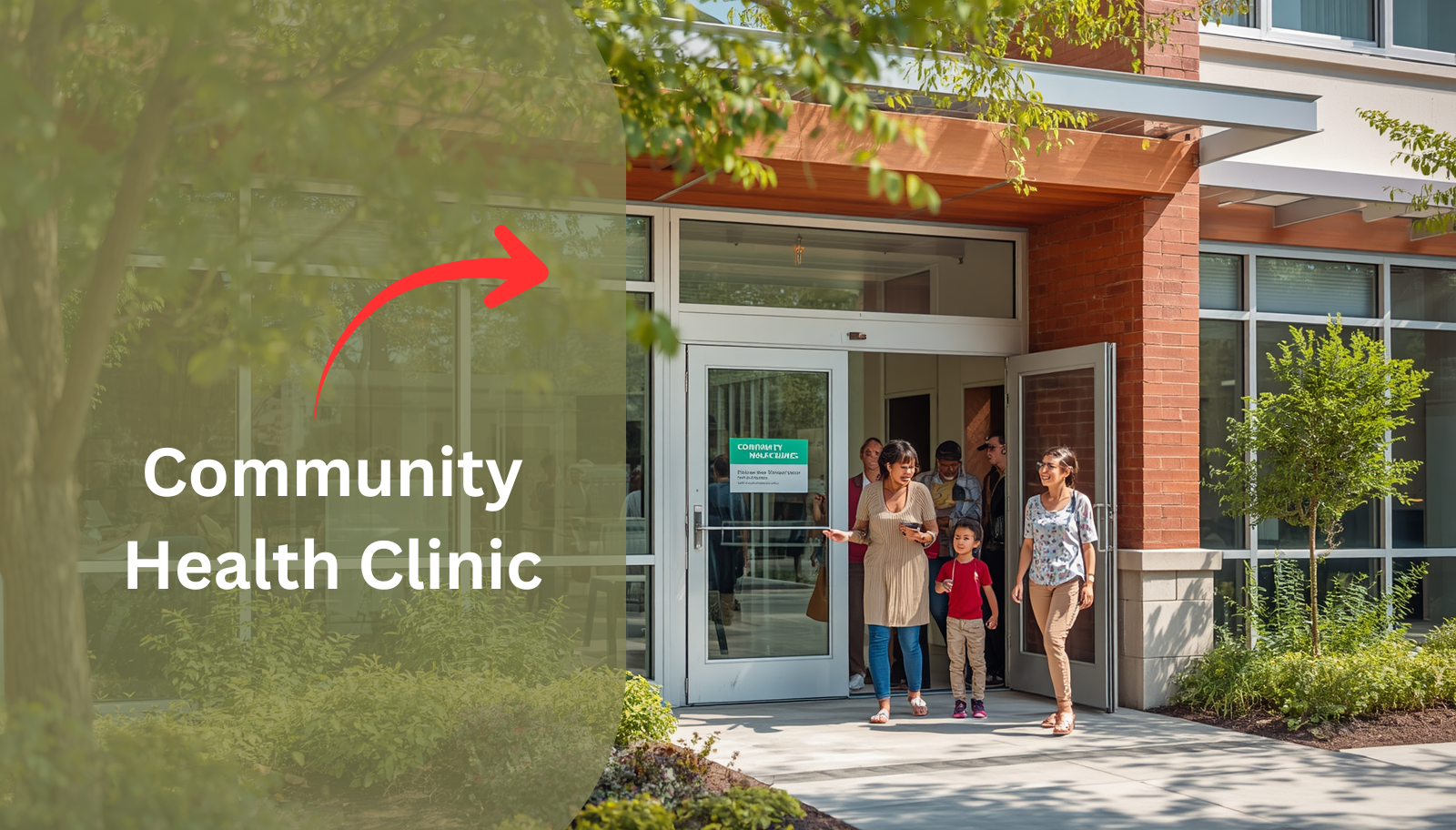
Legacy Community Health is a network of federally qualified health centers (FQHCs) based in Texas, primarily serving the Houston area. They provide comprehensive, low-cost primary care, behavioral health, dental services, and more, regardless of a patient’s ability to pay. But beyond the organization itself, “health for life” refers to a care model that focuses on long-term wellbeing rather than one-off treatments.
The concept is rooted in continuity. Rather than seeing a different provider every time something goes wrong, health for life means building a relationship with a care team that knows your history, tracks your progress, and helps you stay well not just get better after you’re sick.
For underserved communities in the US and UK alike, this kind of consistent, accessible care can be genuinely life-changing.
The Services That Make Legacy Community Health Stand Out
Primary and Preventive Care
At the core of any legacy community health model is primary care regular check-ups, chronic disease management, vaccinations, and preventive screenings. Legacy Community Health clinics offer these services on a sliding-fee scale, meaning your cost is tied to your income. No one is turned away because of what’s in their wallet.
Preventive care is where the “health for life” promise really pays off. Catching high blood pressure early, managing diabetes before it causes complications, and staying up to date on cancer screenings aren’t glamorous. Still, they’re what keep people alive longer and healthier.
- Annual wellness visits
- Chronic disease management (diabetes, hypertension, asthma)
- Immunizations for children and adults
- Cancer screenings (cervical, colorectal, breast)
Behavioral and Mental Health Services
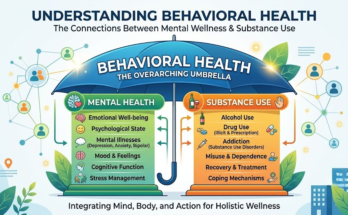
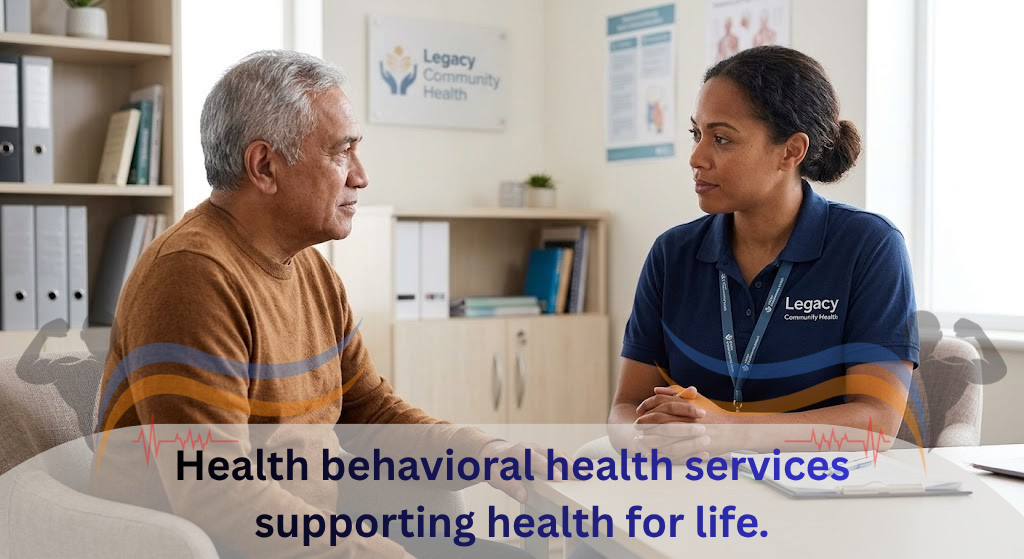
Mental health is health. Legacy Community Health integrates behavioral health services directly into primary care, which reduces the stigma and logistical friction of seeking help. You don’t need a separate appointment at a separate building with a separate provider who’s never met you before.
Integrated care means your doctor and your counselor can actually talk to each other. That’s a big deal when conditions like depression, anxiety, and trauma affect how well a person manages a chronic illness or follows through on a treatment plan.
Dental and Vision Care
Legacy Community Health also provides dental and vision services two areas that often get cut first when people are watching their budget, but which have real downstream effects on overall health. Untreated gum disease has been linked to heart disease. Poor vision affects children’s performance in school and adults’ ability to drive safely and work.
Offering these under one roof, on the same sliding-fee structure, removes the excuse to skip them.
Women’s Health and Reproductive Care
Comprehensive women’s health services, including prenatal care, family planning, and gynecological exams, are central to any community health mission. Access to consistent OB/GYN care is particularly important in lower-income communities, where maternal health outcomes can lag significantly behind wealthier zip codes.
Legacy Community Health clinics are designed to be a trusted, judgment-free space for these conversations.
LGBTQ+ Affirming Care
Legacy Community Health has a well-documented history of serving Houston’s LGBTQ+ community, including HIV prevention, testing, and treatment. Affirming, culturally competent care isn’t a niche add-on it’s a core part of what makes a community health center actually serve its community.
Why Access to Community Health Centers Matters in 2026
The US healthcare system remains expensive and fragmented for millions of people. Even with insurance, high deductibles mean many individuals skip routine care until something goes wrong and by then, treatment is far more costly (financially and physically).
Federally qualified health centers like Legacy fill that gap. According to the Health Resources and Services Administration (HRSA), community health centers across the US serve more than 30 million patients annually, many of whom are uninsured or underinsured. Note: For the most current patient volume data, verify directly with HRSA’s annual Uniform Data System report.
The model works. Studies consistently show that communities with strong FQHC presence have lower emergency department utilization and better chronic disease outcomes. That’s not coincidence it’s what happens when people have a medical home.
For UK readers, the NHS Primary Care model shares a similar philosophy: a registered GP practice as your long-term home for care. The lesson from both systems is the same: continuity beats episodic crisis care every time.
How to Access Legacy Community Health Services
Check Eligibility
Legacy Community Health serves everyone, regardless of insurance status or immigration status. If you’re in the Houston area, you can access care even if you have no income or insurance whatsoever. A sliding-fee scale is applied based on what you can genuinely afford.
Find a Location
Legacy Community Health operates multiple clinics across the Houston metropolitan area, with locations designed to serve different neighborhoods and populations. A quick search on their official website will show the nearest site and which services are available there.
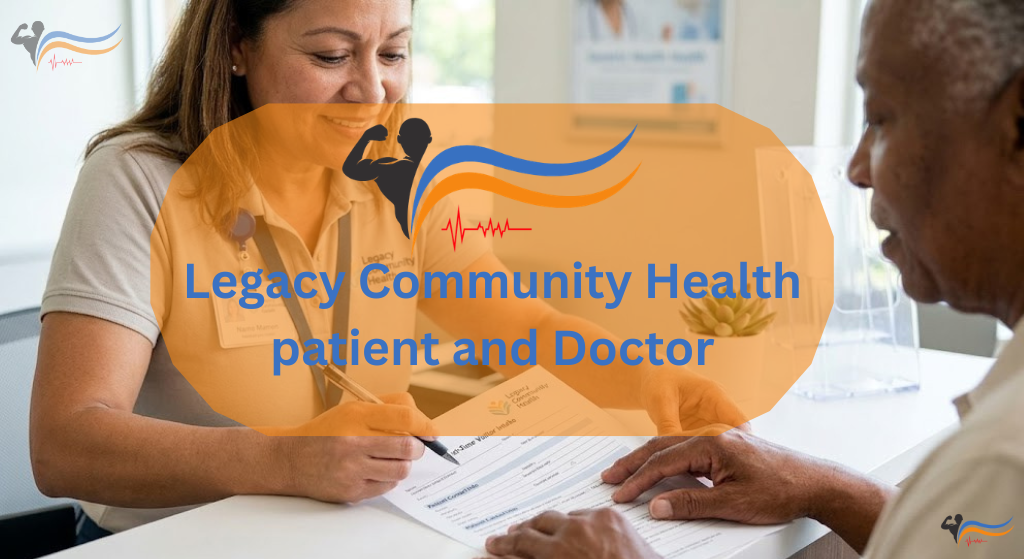
What to Bring to Your First Visit
- A form of ID (doesn’t have to be government-issued)
- Proof of income (if you want to apply for the sliding-fee scale)
- Any insurance cards you have
- A list of current medications
Don’t have everything on that list? Go anyway. The goal of community health is removing barriers, not creating new ones.
Building Health for Life: Practical Habits That Last
Getting connected to a community health center is step one. But health for life is also built in the daily decisions that happen between appointments.
Consistency Over Perfection
You don’t need to overhaul everything at once. Research consistently shows that small, sustainable changes, such as a 20-minute walk most days, swapping one processed meal for a home-cooked one, and going to bed 30 minutes earlier, compound over time in ways that dramatic short-term fixes simply don’t.
Your care team at a community health clinic can help you identify which changes are most likely to move the needle for your specific health picture.
Know Your Numbers
Blood pressure. Blood sugar. Cholesterol. BMI. These aren’t just numbers they’re a map of where your health is headed. Knowing them, and tracking how they change over time, puts you in the driver’s seat of your own care.
Ask your provider to walk you through your lab results in plain language. Any good legacy community health practice will make time for that.
Mental Health Is Non-Negotiable
Burnout, chronic stress, grief, and untreated anxiety or depression all have physical consequences. If you’re skipping appointments because you don’t have the mental energy to deal with them, that’s a sign not a character flaw.
Bringing this up with your primary care provider is often the most direct path to getting help.
Use Preventive Services Before You Need Them
This sounds obvious, but preventive care is chronically underused. If your clinic offers free or low-cost screenings, use them. If you’re due for a check-up, book it. The best time to catch something is before it becomes a problem.
Internal Linking Suggestions
For sites in the community health or wellness niche, consider linking this article to:
- “How Federally Qualified Health Centers Work and How to Find One Near You” expands on the FQHC model for readers unfamiliar with the term
- “Mental Health and Chronic Illness: Why the Connection Matters More Than You Think” deepens the behavioral health section
- “Preventive Health Screenings by Age: What to Get and When” practical companion for the prevention discussion
FAQ: Legacy Community Health and Health for Life
What is Legacy Community Health and who does it serve?
Legacy Community Health is a network of federally qualified health centers based in Houston, Texas. It serves anyone who needs care, regardless of income, insurance status, or immigration status, with a sliding-fee payment model based on ability to pay.
Do I need insurance to visit a Legacy Community Health clinic?
No. Uninsured patients are welcome and will be offered the sliding-fee scale based on household income. Some services may be free for those with very low or no income.
What does “health for life” mean in a community health context?
Health for life refers to a care philosophy centered on long-term wellbeing building a consistent relationship with a care team, focusing on prevention, and addressing physical and mental health together rather than treating isolated symptoms.
Does Legacy Community Health offer mental health services?
Yes. Legacy integrates behavioral health into its primary care model, which means counseling and mental health support are available at the same clinics where you get your physical health care. This removes many of the barriers people face when seeking mental health treatment separately.
Is Legacy Community Health only for low-income patients?
No. While the sliding-fee scale is designed to make care affordable for lower-income patients, anyone can access services at a community health center. The fee you pay is simply adjusted to reflect your income level.
Conclusion
Health isn’t a destination you reach once it’s something you build, maintain, and return to throughout your life. Legacy community health, both as a specific organization and as a broader philosophy, exists to make that ongoing care accessible to everyone, not just those with the right insurance plan or the right zip code.
If you’re in the Houston area, reaching out to Legacy Community Health is one of the most practical steps you can take toward sustainable, whole-person wellbeing. And wherever you are, the principles are the same: find a care home you trust, show up consistently, and invest in the small daily habits that keep you well for the long run. Your health legacy starts with one appointment